
Shure Beta 91A Bundle

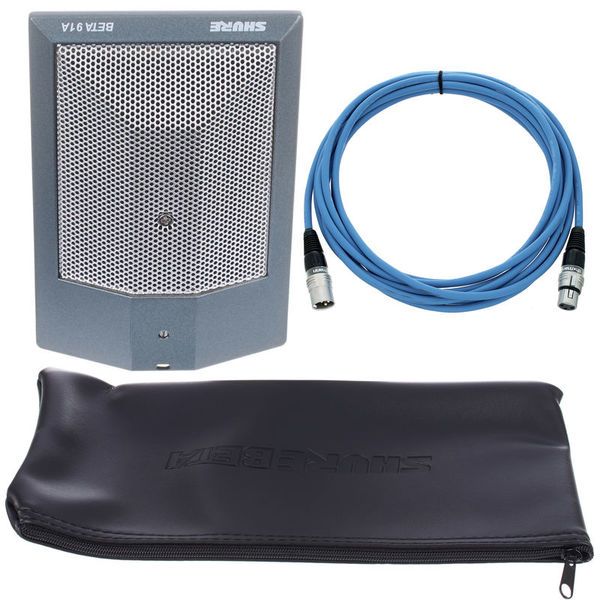
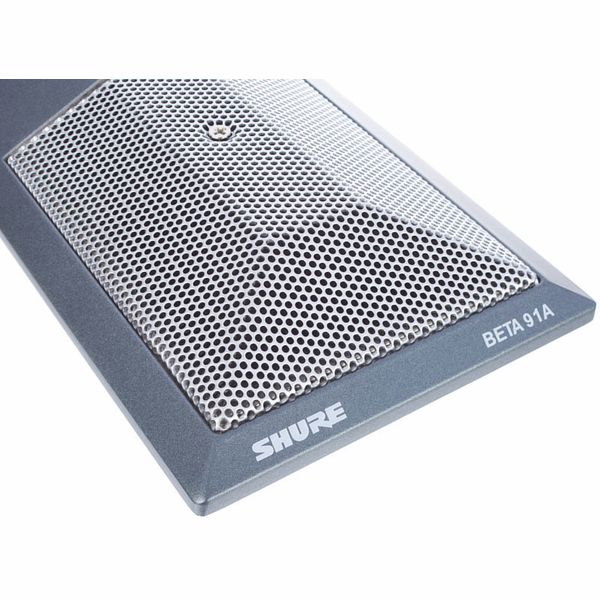
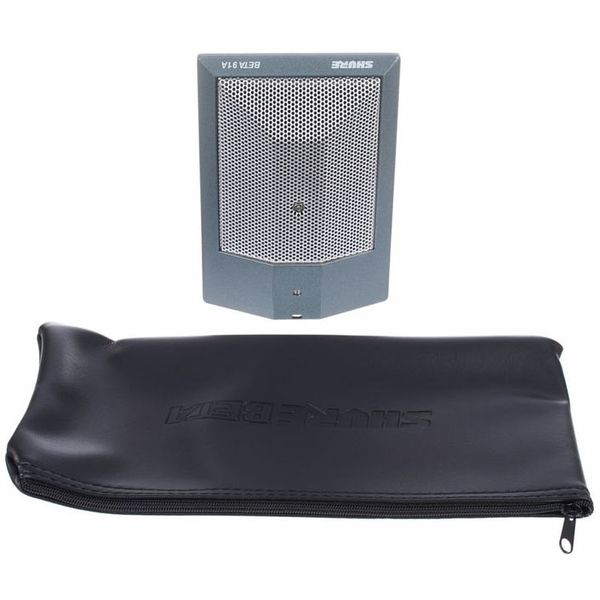
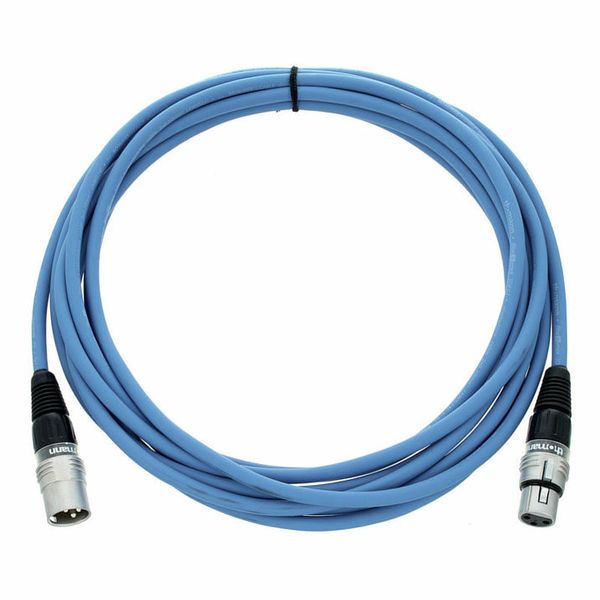


Bundle offer comprising
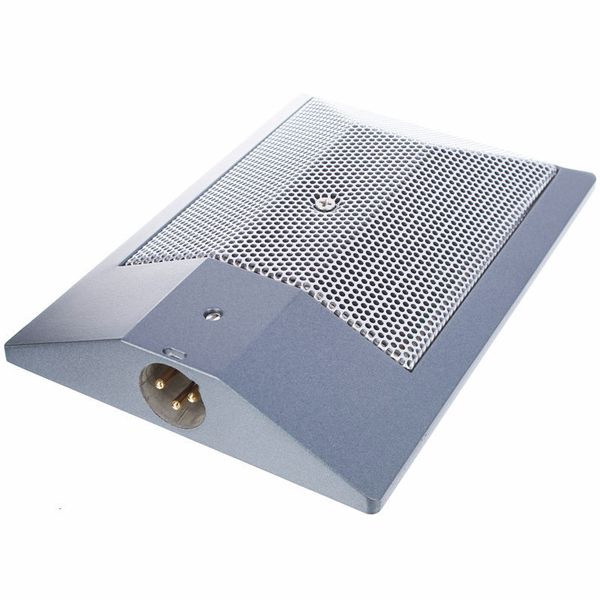
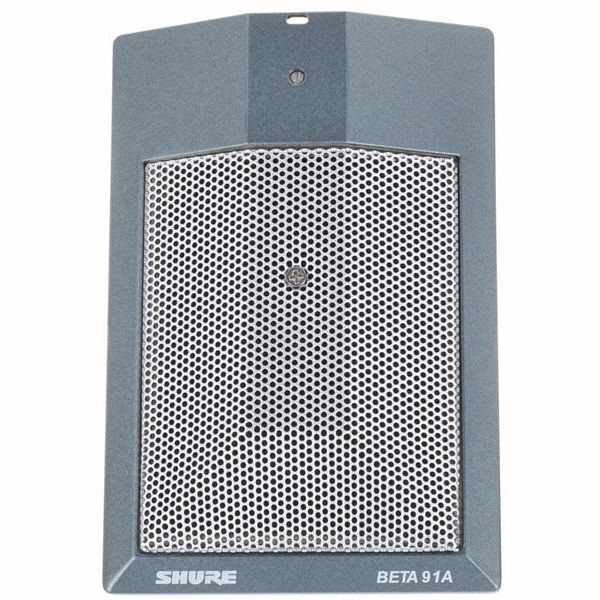
Shure Beta 91A
Condenser boundary microphone
- Combination of Beta 91 and SM 91
- Switchable frequency range for bass drums or piano/ voice applications
- Polar pattern: half cardioid
- Frequency range: 20 - 20,000 Hz
- Impedance: 146 Ω
- 11-52 V Phantom power
- SPL: 155 dB SPL max (@ 2500 Ohm)
- Sensitivity: -48.5 dBV/Pa
- Output: XLR-male
- Weight: 470 g
Sommer Cable Stage Blue Line Vocal 5m
Exclusive microphone cable in the reference class
- For studio and professional live applications
- Hicon XLR Female - XLR Male connector with silver-plated contacts
- Cross-section 2 x 0.22 mm²
- Copper spiral shielding with 0.10 mm single strands
- With Hicon - Thomann XLR connector
- Colour: Blue (RAL 5015)
- Length: 5 metres
-
Available since September 2012
-
Item number 295553
-
Sales Unit 1 piece(s)
-
Condenser Microphone Yes
-
Polar Pattern Half Cardioid
The low-end pro of the Beta series
The Shure Beta 91A is a condenser boundary microphone with a half-cardioid polar pattern optimised for recording low-frequency instruments, delivering a punchy sound with a good amount of attack in the process. The solid workmanship of the Beta 91A, with its robust housing and wire mesh, effectively safeguards the capsule as well as the internal electronics from potential damage. Shure declares the microphone as having a frequency range of 20Hz to 20kHz, with a sensitivity of 3.8mV/Pa, and a maximum sound pressure level of 155db at a load of 2,500 ohms. The microphone is operated with phantom power, the minimum and maximum permissible levels for which are 11V and 52V, respectively. This bundle pairs the mic with a high-quality XLR cable – at 5m long, it's plenty flexible enough for most of the typical use cases of a boundary mic.

)
Solid foundations, plenty of attack
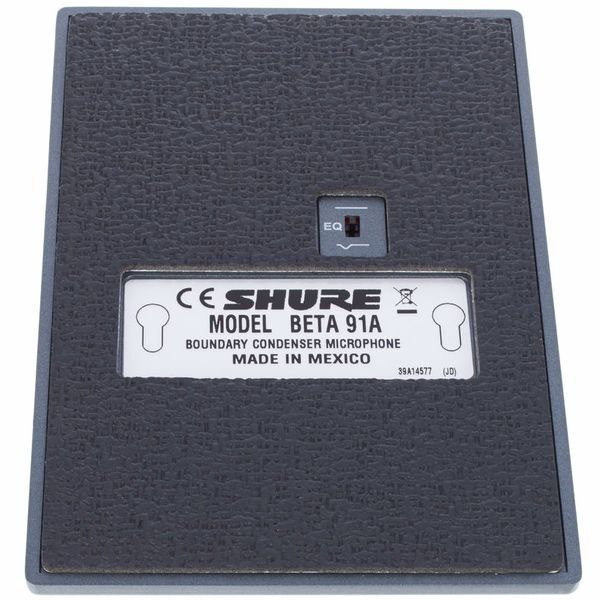
A glance at the Shure Beta 91A's frequency range in the spec sheet reveals a particularly well-emphasised attack sound and a solid bass foundation. When the microphone is placed inside a bass drum, the proximity effect contributes to a remarkably punchy sound, while still remaining precisely defined, without ever becoming "boomy". At the same time, an emphasis from 4kHz to about 9kHz ensures a distinct attack sound. A two-step contour switch with a centre frequency of 400Hz also allows unwanted frequencies to be reduced while recording, without the need for additional equalisers.
)
Simple and reliable
For engineers who value efficiency, the Beta 91A provides fast, predictable results with minimal tuning. Thanks to its robust construction and integrated preamplifier, it's particularly well suited to professional live sound environments and studio setups that demand consistent, repeatable results. The contour switch reduces the need for corrective EQ, making it especially attractive in environments where setup time is limited. As a result, it's a go‑to choice for sound technicians who need a microphone that simply drops into place and performs consistently from show to show – all while pleasing the ears of the stick-slinging department with its full bass drum sound that cuts through any mix. The brand-name Sommer cable in this bundle underlines the professional standards of the mic itself.
)
About Shure
The American company Shure began developing microphones during the early 1930s and is one of the pioneers of the audio engineering sector. Models such as the 55 Unidyne - known to many as the "Elvis microphone" - and the SM57 and SM58 which appeared in the mid-1960s are still ubiquitous in live sound production today. They enjoy cult status among musicians and technicians alike. In the 1990s, Shure introduced the first wireless microphones and in-ear monitoring systems and became a market leader in this field. In addition to microphones, Shure offers a wide range of earphones and headphones for studio and live use, as well as various accessories.
Low-profile pro low-end
The special design of the Shure Beta 91A condenser boundary microphone enables users to position it easily and discreetly without it taking up too much room, eliminating the need for a space-consuming tripod. Its robust construction ensures a high level of durability against mechanical damage, making this boundary microphone perfect for use not only in a studio environment, but also on stage – no worries! In addition to recording percussion instruments like bass drums or cajóns, it can also be used for miking upright pianos or concert grands, in which case the holding eyelets underneath the sticker on the back come in handy: The mic can simply be placed on the underside of the piano lid and it's good to go.