


Bricasti Design M7

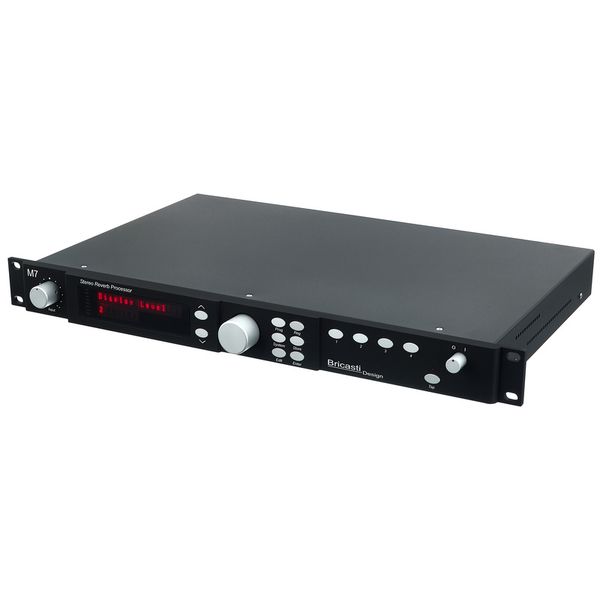
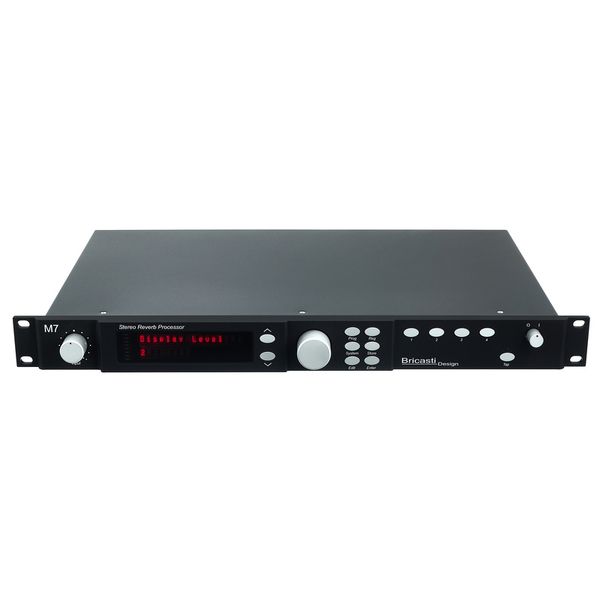
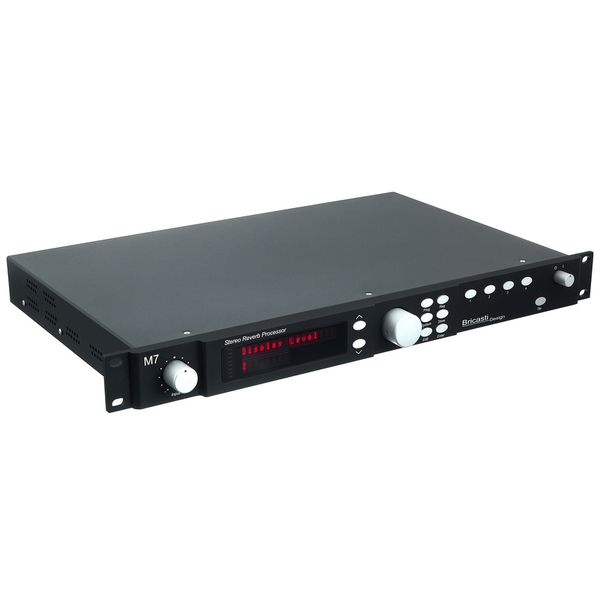
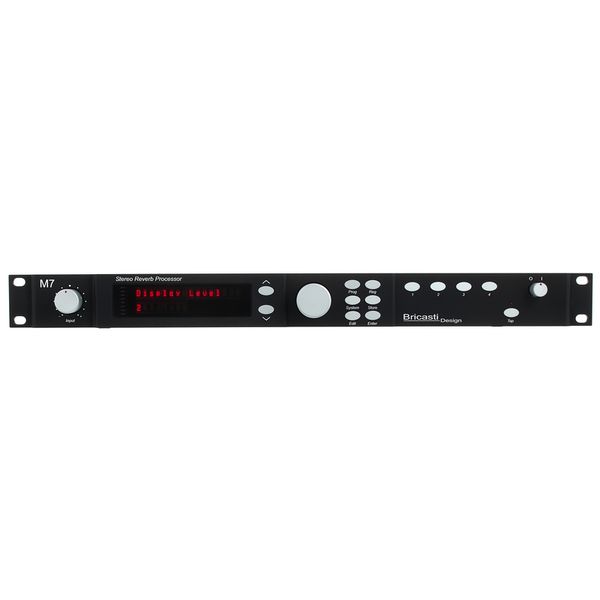
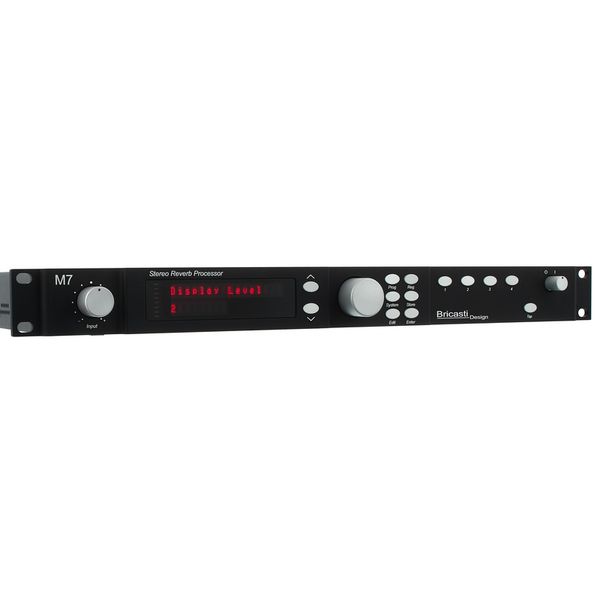
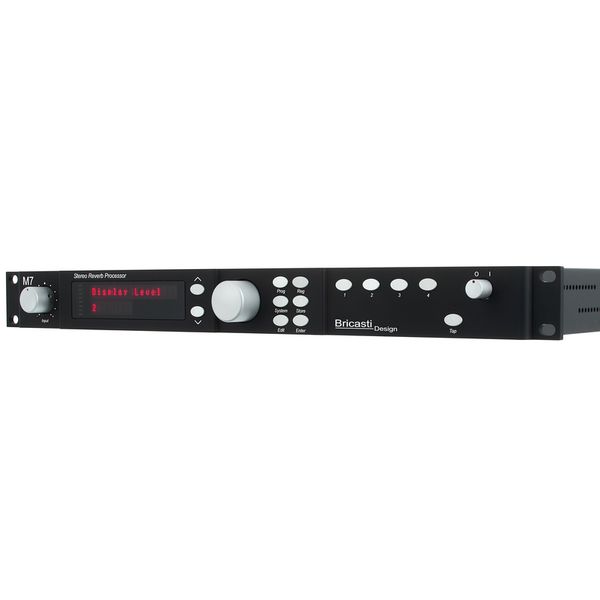


Stereo Reverb Processor
- More than 200 reverb presets
- Genuine stereo reverb processor
- 12 program parameters
- 100 user registers
- 4 "Front Panel Favourites"
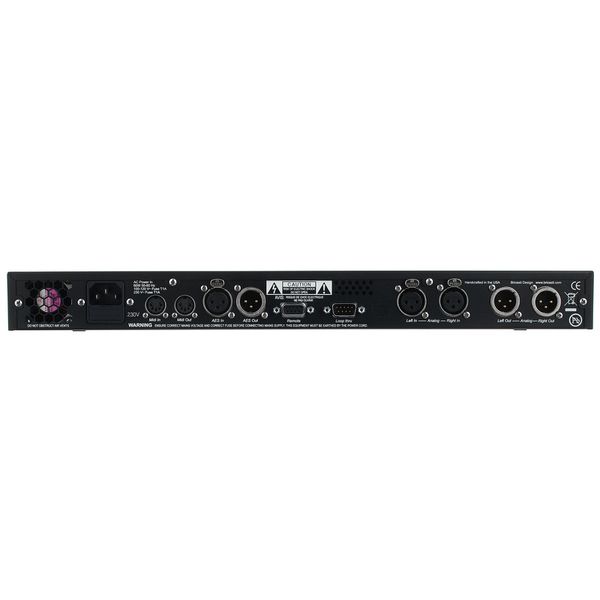
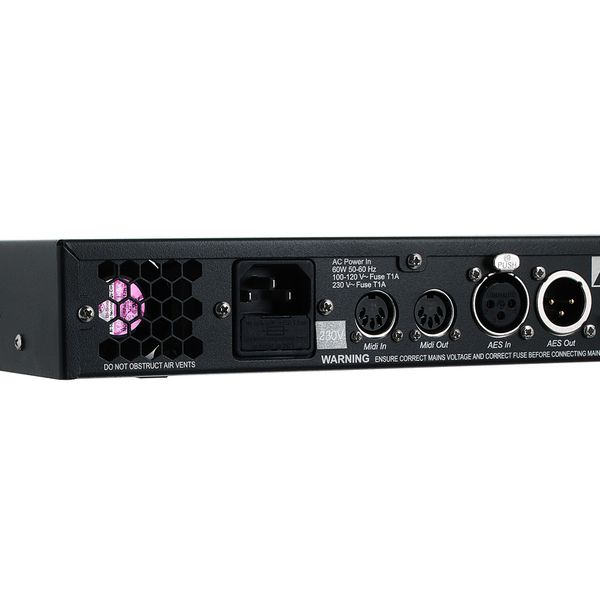
- MIDI I/O
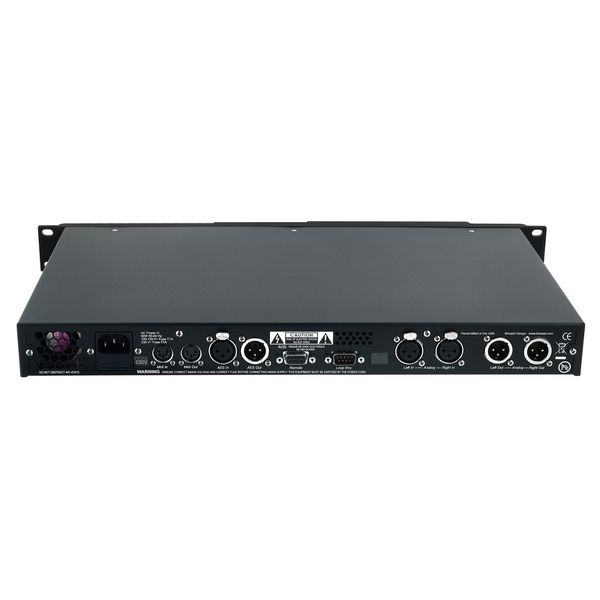
- AES 24-Bit digital I/O
- AES single wire 192 kHz
- 6 analogue device DSP chips
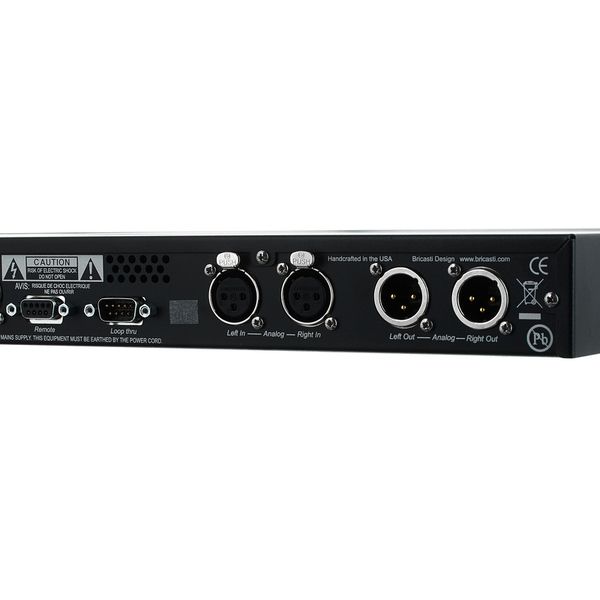
- Analogue I/O symmetrical XLR
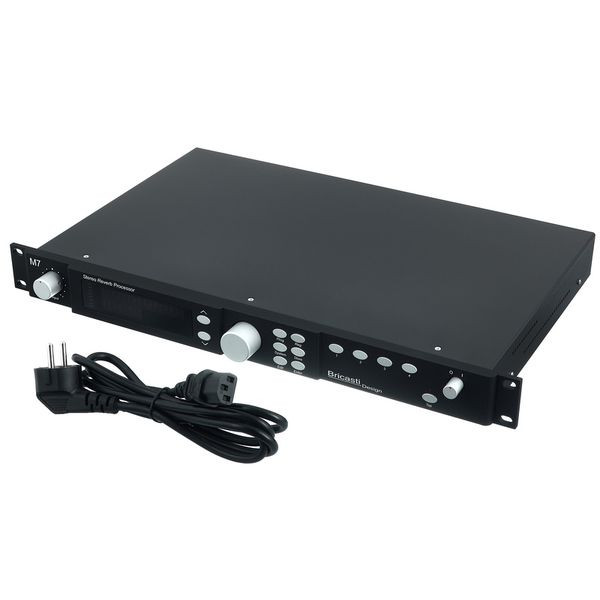
- Dimensions: 19", 1 U
- Specially developed linear transformer power supply
-
Available since August 2007
-
Item number 114805
-
Sales Unit 1 piece(s)
-
19" Rack Unit Yes
-
Saveable Effects Yes
-
MIDI-capable Yes
-
Footswitch connection No
-
Microphone Input No
Uncompromisingly luxurious reverb
The Bricasti Design M7 is a true stereo digital reverb built entirely on an algorithm, with every aspect of the reverb generated through calculation rather than impulse responses or samples. This ultimately means greater flexibility in shaping the tone – it's effectively a 'reverb synthesizer'. Its six dual-core DSPs provide immense processing power, creating an exceptionally dense and natural sound. With balanced analogue I/Os, 24-bit digital interfaces, MIDI, and an optional remote control, it combines versatility with outstanding build quality. Since its debut in 2007, the M7 has remained a benchmark for professional reverb, admired for its pristine sound and enduring design.

Reverb at its finest
Although it does offer a relatively simple delay function too, the Bricasti Design M7 really focuses on one thing – reverb – and in this competitive field, it's virtually unmatched. A single algorithm with 18 adjustable parameters delivers an exceptionally versatile and, when desired, strikingly realistic reverb known for its distinctive musicality. The intuitive interface eliminates complex menus, allowing effortless operation and the ability to store, name, and organise up to 100 user presets. With 24-bit/96kHz analogue conversion and digital interfaces supporting up to 192kHz, the M7 integrates seamlessly into any studio setup, while an optional remote control enables operation of up to eight units simultaneously.
)
First choice for professional studios
Convincing reverb and room simulation have long been regarded as the pinnacle of audio effects, and the Bricasti Design M7 is dedicated entirely to mastering this art. It delivers the depth, realism, and precision that top producers and world-class venues rely on. Like all algorithm-based reverbs, the M7 carries its own distinct sonic character, making it equally suited as a main reverb or a creative effects unit. Esteemed users praise its exceptional – and at times unique – sound quality, a level of performance that fully justifies its premium status. Today, the Bricasti Design M7 continues to set studio standards in the professional audio world.
)
)
About Bricasti Design
Bricasti derives its name from Brian Casey Technical Innovation, reflecting the initials of co-founders Brian Zolner and Casey Dowdell, who launched the company in the mid-2000s in the United States. Former employees of the renowned reverb specialist Lexicon, their first product – the M7 Reverb – received widespread acclaim and established Bricasti as a top-tier audio brand, while dispelling rumours of any ties to Lexicon's algorithms. The M7 and its premium remote control, the M10, have since been joined by a high-end D/A converter for the audiophile market, further cementing Bricasti's reputation for uncompromising audio quality.
M7 as main and effect reverb
With its outstanding sound quality, the Bricasti Design M7 is perfectly suited to life as the main reverb in any professional studio. Equally, the freedom it offers sound engineers to shape their sound flexibly makes it an excellent companion to other processors such as convolution reverbs, or for more specialised tasks, whether that's paired with individual instruments or used as a dedicated effects reverb. The optional M10 remote control greatly enhances its functionality, streamlining operation and enabling simultaneous control of up to eight M7 units, making the Bricasti Design M7 an ideal solution for advanced multi-channel setups of the highest calibre.
In the spotlight
Algorithm vs. convolution reverb
Digital reverb units and software typically rely on two distinct technologies: algorithmic and convolution. Algorithmic reverbs recreate space through intricate, layered delay structures, while convolution reverbs use the acoustic "fingerprint" of real environments captured as impulse responses. Convolution methods are often praised for their realism, but can sound somewhat static and less adaptable. Algorithmic reverbs, although not always perfectly natural, offer greater flexibility and creative potential thanks to their wide range of adjustable parameters. Ultimately, the choice between the two depends on the intended use – and, as so often in audio, personal taste.
)