


Scala Vilagio F.H. Maggini Viola 1610


Viola
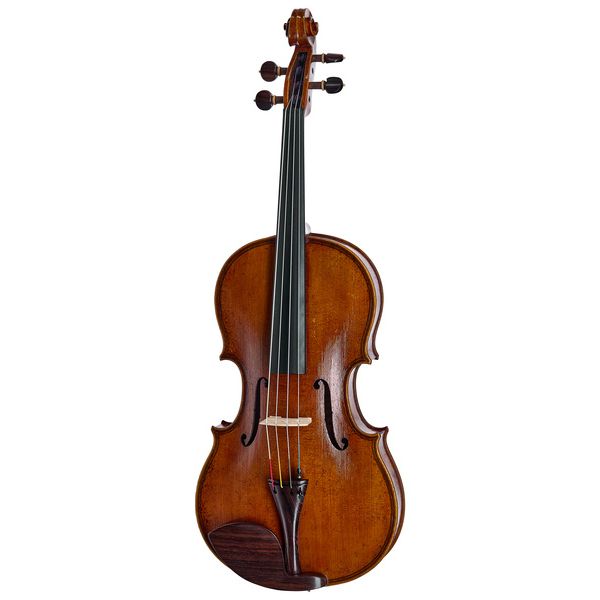
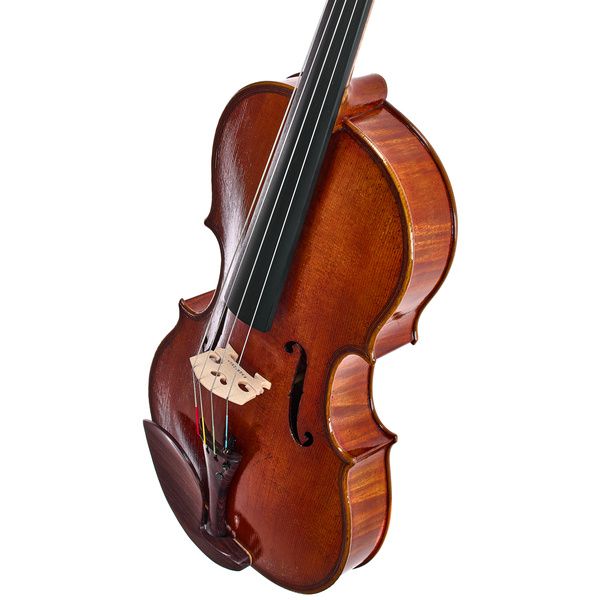
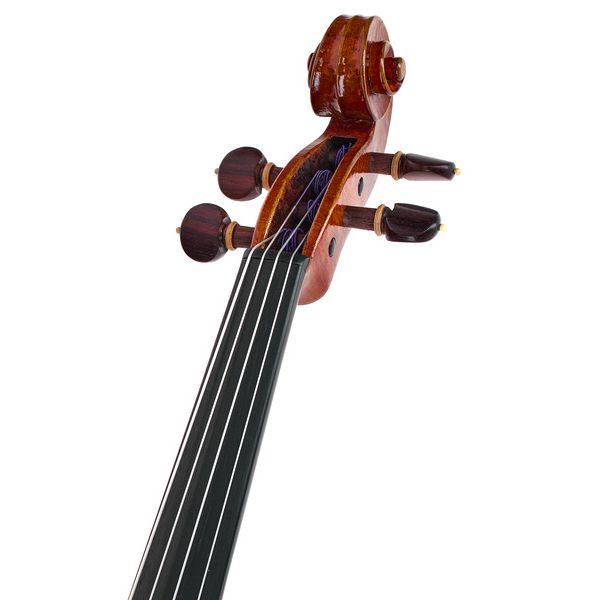
- Handmade in Germany by master violin maker Florian Hertzsch
- Top made of Alpine spruce
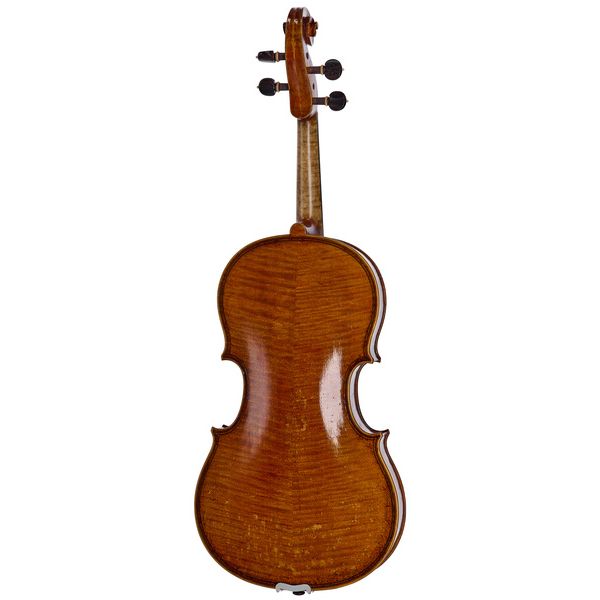
- Back, sides and scroll made of flamed maple
- Ebony fingerboard
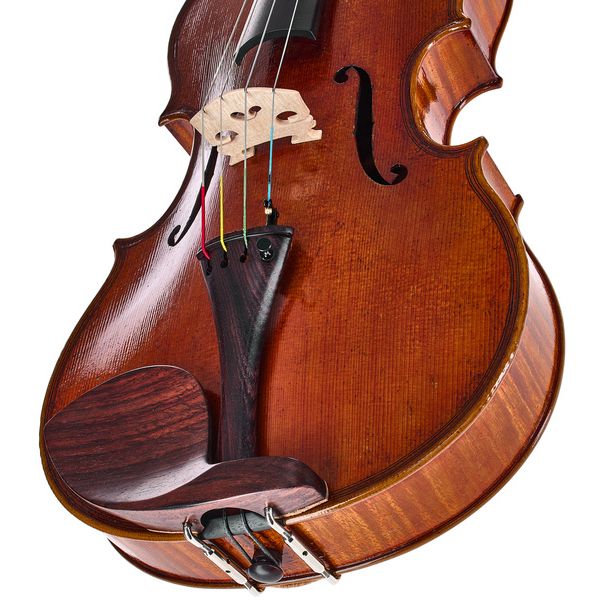
- Rosewood fittings
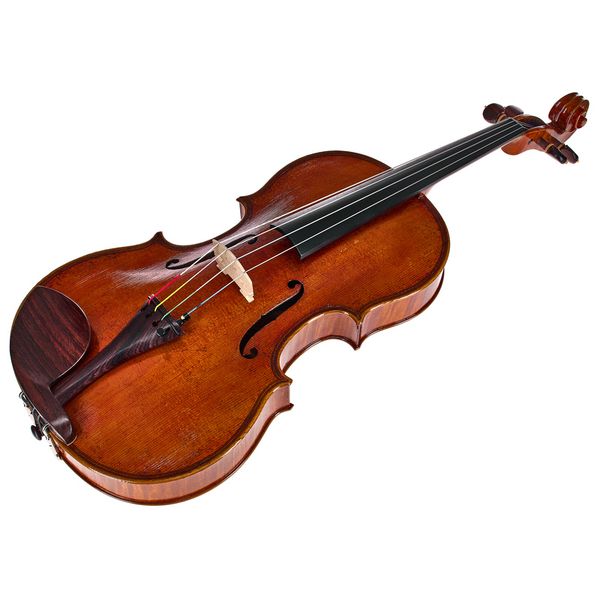
- Oil-varnished with amber resin, made by the luthier according to a traditional Italian formula
- Thin layer of varnish for freely vibrating wood
- Traces of wear and tear modelled on old Italian violins
- Final sound adjustment carried out via bridge and sound post
- Back length: 412 mm / 16"
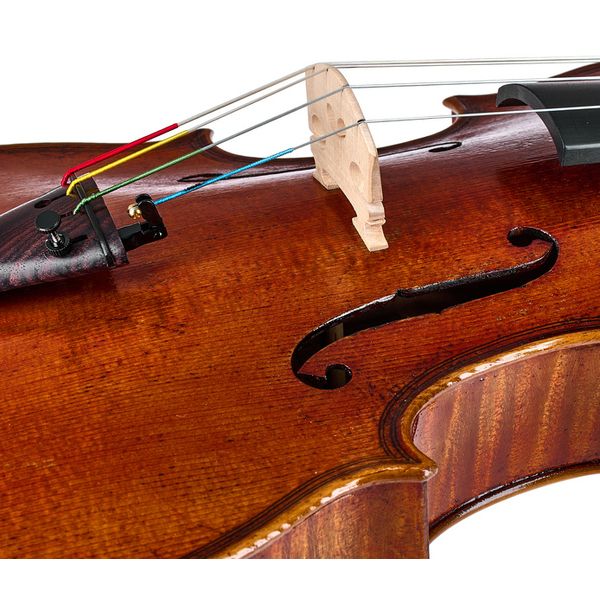
- Bridge position: 212 mm
- Neck length: 141 mm
- Scale: 356 mm
- Strings: Thomastik Dominant
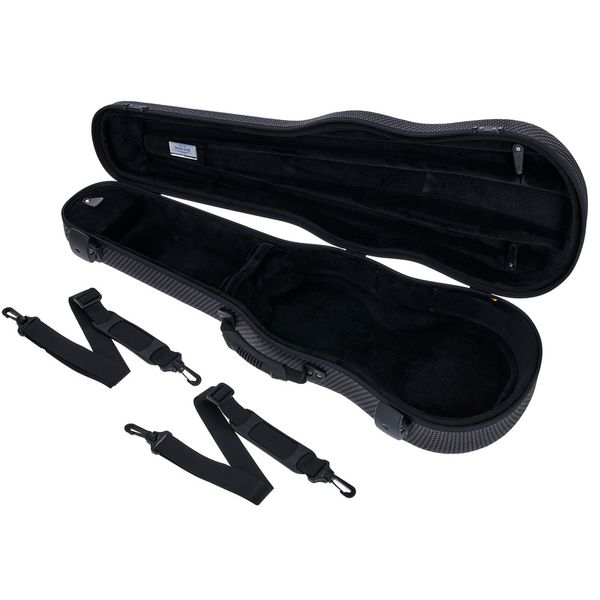
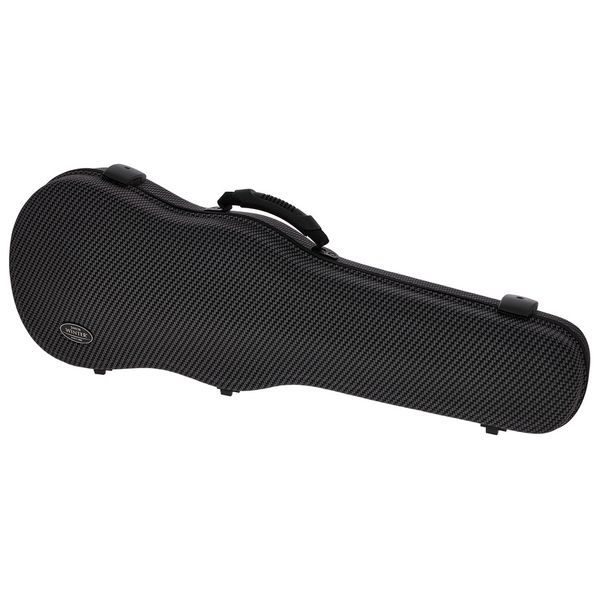
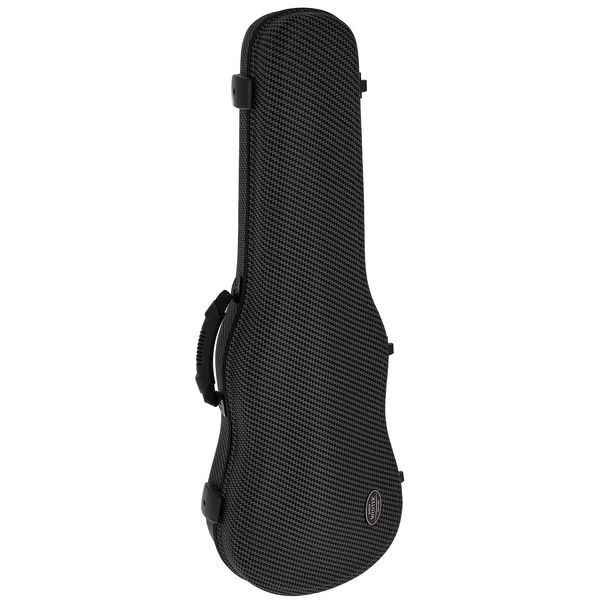
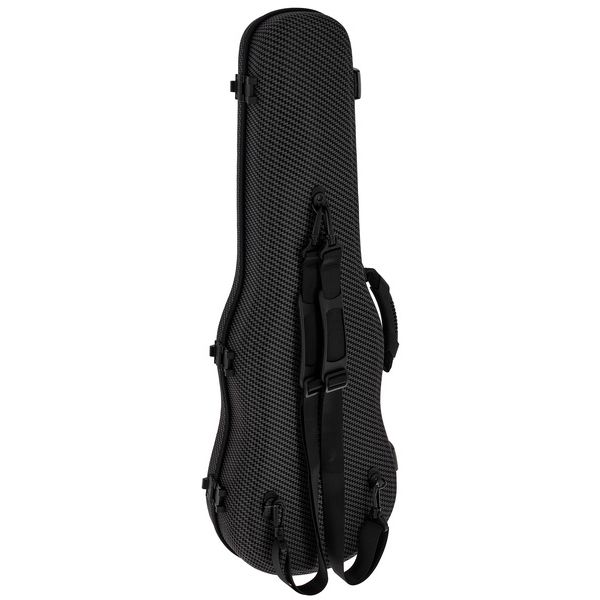
- Includes certificate and Jakob Winter viola case 51015 CAB
-
Available since December 2021
-
Item number 531768
-
Sales Unit 1 piece(s)
-
Size 16 inches
-
Flamed Back Yes
-
Fingerboard Ebony
-
Including Case Yes
-
Including Bow No
-
Model, Style G.P. Maggini - 1610
-
Top Spruce
-
Back and Sides Maple
-
Neck & Head Maple
-
Tailpiece Rosewood
-
Chin Rest Rosewood
-
Tuning Pegs Rosewood
-

A viola with a historical sound
)
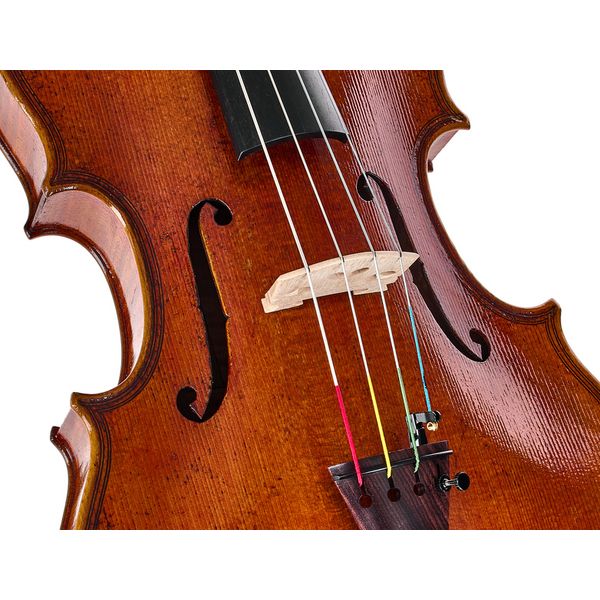
The violas created by Giovanni Paolo Maggini produce a sound that is among the most characterful and distinctive of any violas ever made, with the model he built in 1610 widely regarded as an authoritative expression of his philosophy. Maggini was a pupil of the Brescian pioneer Gasparo da Salò, yet soon developed his own style, recognisable both in terms of its visual and musical aesthetics. This viola, like all his mature work, has an emphatically arched body, giving it the deep, warm, and resonant colouration typical of the Brescian School. Another instantly recognisable feature is the double purfling on the top and back – Maggini's signature detail. This modern replica is a careful copy of every aspect of the original, starting with the richly flamed maple used for the back and ribs. Like all Scala Vilagio instruments, this viola is a one-off piece built by a master craftsman – which captures the spirit of Baroque luthiery with extraordinary authenticity.
)
Utterly authentic
In creating his Scala Vilagio F.H. Maggini Viola, the master violinmaker Florian Hertzsch (which is what the F.H. in the instrument's name stands for) has taken great pains to use historically authentic woods. The top is made of well-seasoned Alpine spruce, with the rest of the body made from very distinctively quilted maple, one of Maggini's trademarks. The rosewood fittings are a reference to this instrument's long history: Although Maggini himself was unlikely to have used this tropical hardwood, it was widely used from the 18th century onwards in restorations of Baroque instruments. This viola is thus a mixture of history and modernity – the tonewoods are specially selected to give a precise acoustic response, being tested beforehand to ensure their resonance with certain frequencies, as well as their robustness.
)
Body and soul
By 1610, Maggini had more or less perfected the Brescian style, with clearly defined characteristics that this instrument also reflects perfectly. Absolutely crucial for identifying a Brescian viola is the position of the F-holes: Because they are set so high up the body, the bridge can be higher too, reducing the scale length. As such, this viola is immensely playable, with a wonderful response, despite its large size. Another successful combination of optics and acoustics are the broad lower bouts, which contribute to the warm, earthy tone that was so typical for Maggini's work, as well as anchoring the viola's overall appearance. Similarly, the full curvature of the back, which only falls away towards the very edges of the instrument, give it even more presence. In short: Musicians will profit from immense volume, while enjoying the delicate playability of a much smaller viola.
)
About Scala Vilagio
Scala Vilagio is a Thomann-exclusive brand that offers high-quality bowed string instruments, as well as professional accessories. The products are made exclusively from sustainably grown European woods that have been naturally dried over a long period of time. The instruments are precisely built by master violin makers according to the same traditional methods as their most legendary forebears: Besides Stradivarius and Guarneri del Gesù, the range also includes instruments by other grandmasters such as Nicolò Amati and Giovanni Paolo Maggini. Each one has a unique tonal palette, giving modern players a chance to own a piece of musical history. Scala Vilagio's extensive range originates with numerous expert craftspeople, based in Franconia, the Carpathians, and Czechia (among other places), and who build each instrument by hand in the tradition of the old masters.
)
Hands-on history
This viola was made with the most exacting adherence to historical methods, but it is anything but a museum exhibit. In his Bavarian workshop, Florian Hertzsch makes musical instruments for musicmaking, combining a love for authentic techniques with hi-tech acoustic analysis. This approach is further reflected in the accessories that come with the Scala Vilagio F.H. Maggini Viola 1610, from the Thomastik strings – hand-wound in Vienna – to the robust Jakob Winter case, with its removable backpack straps. An experienced musician looking to treat themselves to an instrument like this will usually own a number of bows already, but of course Scala Vilagio also offer a range of suitable bows with a variety of fittings and finishes.
Accessories & matching items
Compare options
-
Scala Vilagio Acoustic Violas at a glance
-
Go to product group Acoustic Violas
-
Go to product group Master Class Violas
-
Go to product group String Instruments
-
Go to product group Traditional Instruments
-
Show manufacturer details for Scala Vilagio
-
Scala Vilagio Traditional Instruments at a glance