


Cloud Microphones Cloudlifter CL-2 Mic Activator

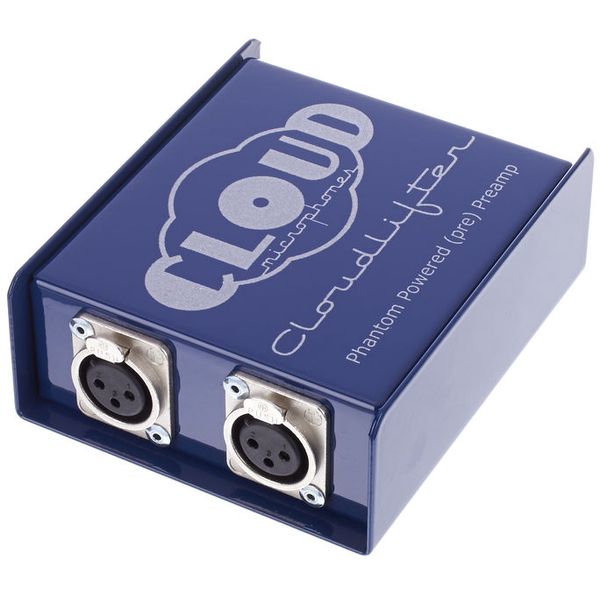
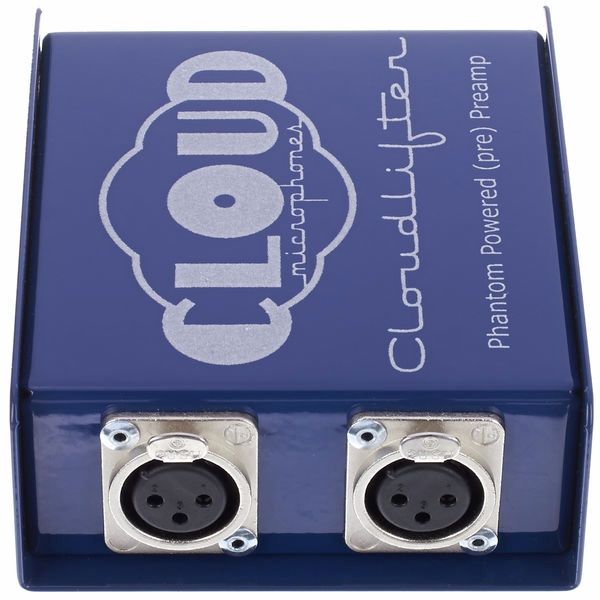
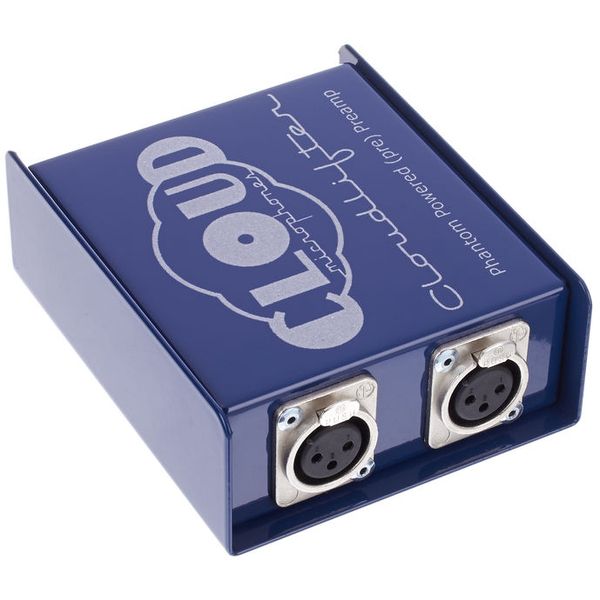
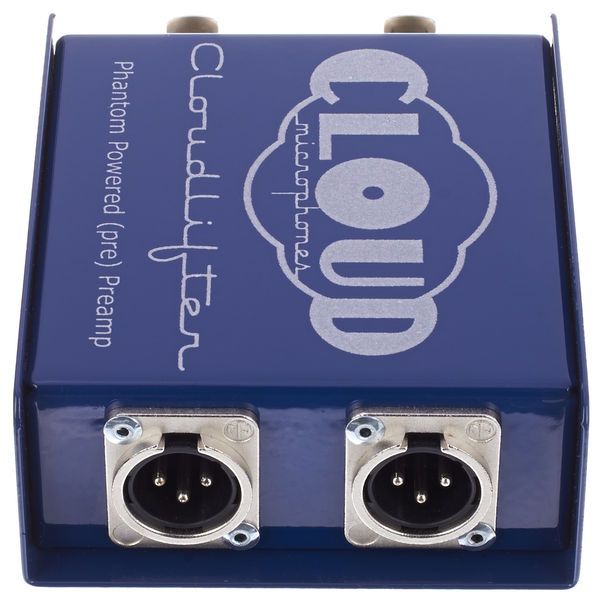
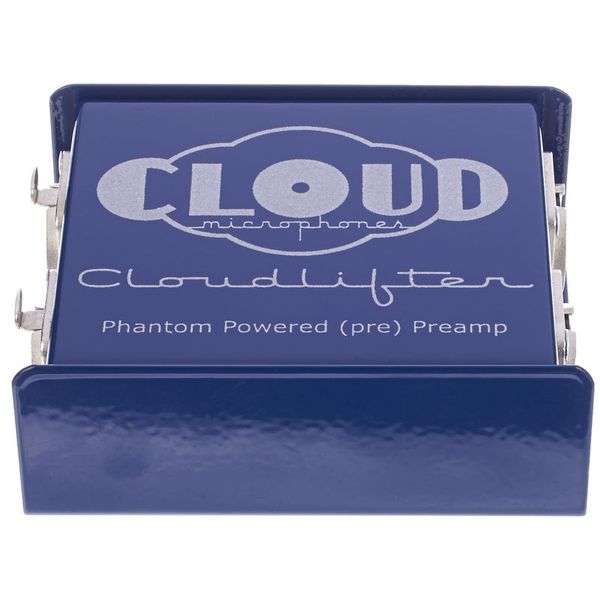
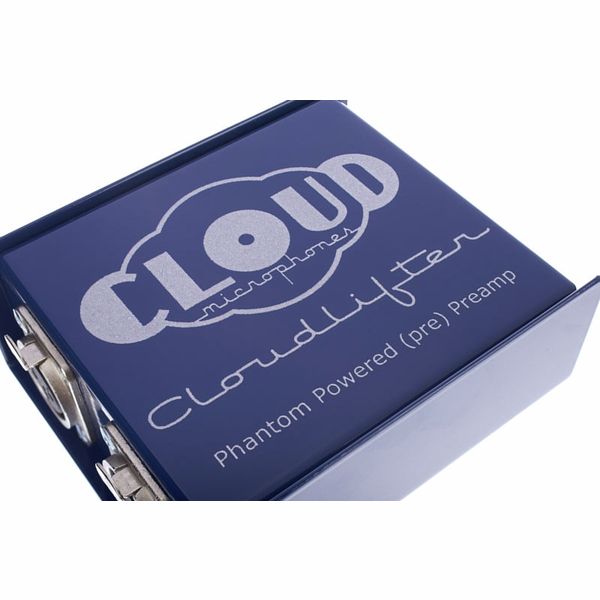


2-Channel Gain Amplifier
- +25 dB for dynamic or passive ribbon microphones
- To be used in conjunction with a microphone amplifier with standard phantom power on mixers/preamplifiers/audio interfaces with mic input
- Requires phantom power
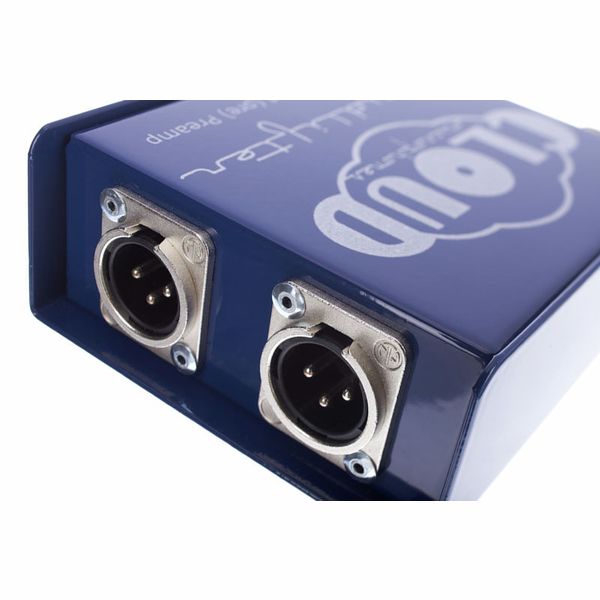
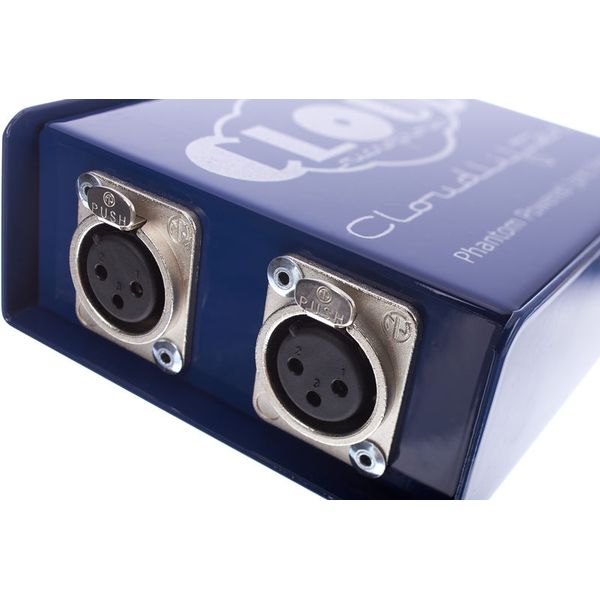
- 2 x XLR input and output
- Metal casing
- Band for fixing to microphone stand included
-
Available since August 2013
-
Item number 320774
-
Sales Unit 1 piece(s)
-
Channels 2
-
Number of microphone inputs 2
-
Instrument input No
-
Tubes No
-
Compressor/Limiter No
-
Equalizer No
-
De-Esser No
-
Phantom power No
-
Phase Reverse No
-
External effect loops No
-
Analogue Outputs XLR
-
Digitale Outputs None
-
Headphone connection No
-
Level Meter No
-
Design Desktop
Clean gain, two channels
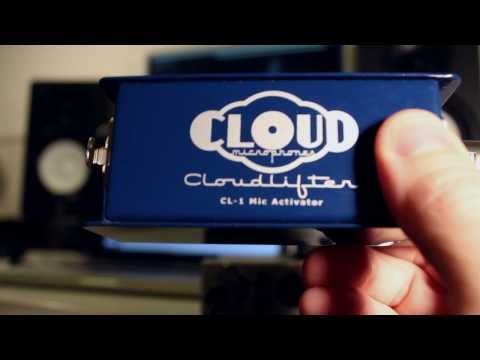
The Cloudlifter CL-2 is a two-channel inline mic activator that sits between a pair of microphones and their preamps, drawing phantom power from downstream and converting it into 25dB of clean gain per channel. Designed for tube, dynamic, and ribbon microphones, it boosts output level without colouring the signal or adding noise. The phantom power is actively blocked from reaching the mics, protecting sensitive ribbon and tube mics from potential damage while simultaneously powering the gain circuits. Manufactured in the USA in a solid steel housing, the CL-2 handles stereo and dual-mono setups in a single compact unit – equally at home in the studio or on stage.
)
How it works
The CL-2 requires 48V phantom power from the downstream preamps or interface – no batteries, no external PSU. That phantom power never reaches the connected microphones, making the CL-2 safe for ribbon and tube mics by design. Dynamic and ribbon mics with low output – the Shure SM7B, SM57, SM58, Sennheiser MD421, and Electrovoice RE-20 among them – all benefit from the 25dB boost per channel, bringing their signals up to a level where the preamp's gain structure can do its job cleanly. Each channel presents a fixed 3kOhm impedance load, optimised for a wide range of passive mics. Condenser mics, which require their own phantom power to operate, need a separate 48V source if used with the CL-2.
)
Who it's for
The CL-2 suits engineers and producers who regularly run two dynamic or ribbon mics into interfaces or preamps that don't have enough clean gain – a stereo ribbon setup, a two-host podcast, or a dual-mic instrument recording. The locking XLR connectors on all four inputs and outputs prevent accidental disconnection, and a rear welded bracket makes it eady to mount the CL-2 to a mic stand or similar with a clamp or the included hook-and-loop fastener. Four rubber feet provide stable placement on a desk or rack shelf. Where a single CL-1 covers one channel, the CL-2 handles both without adding a second unit to the chain.
)
About Cloud Microphones
US manufacturer Cloud Microphones has been developing and manufacturing microphones and microphone preamps since 2009. Company founder Stephen Sank draws on a family tradition in microphone design that now spans three generations. The range includes ribbon microphones that follow in the tradition of classic RCA models, while combining this heritage with modern design and the company's own patented technologies. Alongside these sits the Cloudlifter line of preamp units. Designed as inline devices, they use the phantom power available at microphone inputs to provide clean, noise‑free signal gain for dynamic and ribbon microphones, without adding unwanted tonal colour. Cloud Microphones has built its reputation not only on the exceptional robustness of its devices, but also on the fact that all components are manufactured in the United States.
For everything from podcasts to Bluegrass
Beyond vocal work, the CL-2 comes into its own anywhere two quiet sources place high demands on mic gain simultaneously – a stereo pair of ribbon mics on an acoustic instrument, two vocalists on separate dynamics, or a combination of both. In live and touring contexts, the steel housing and locking connectors hold up to regular handling. Two channels of clean gain in a single compact device makes the CL-2 the natural choice for any setup where the CL-1 would otherwise need to be duplicated.
