


Yamaha TAS1 E Natural

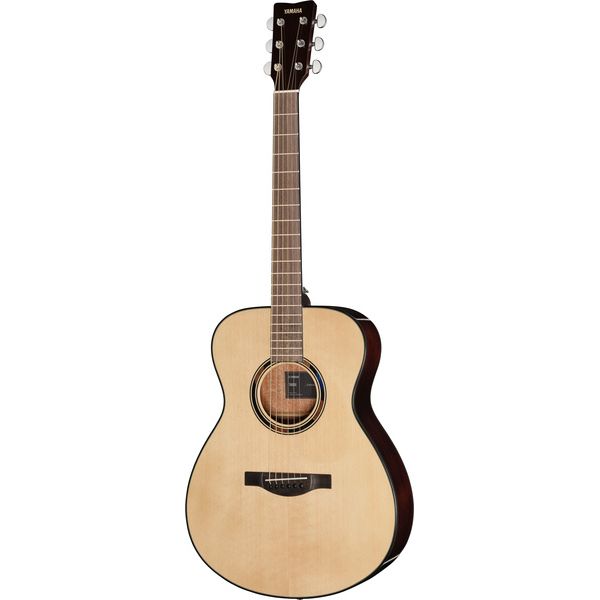
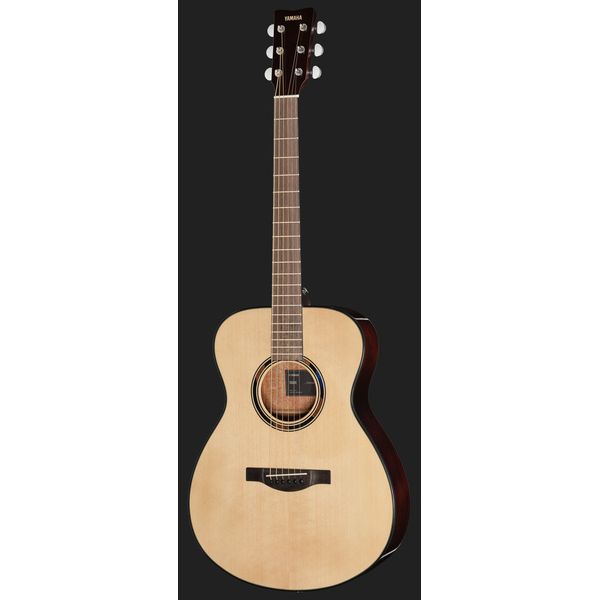


Steel-String Acoustic Guitar with Pickup
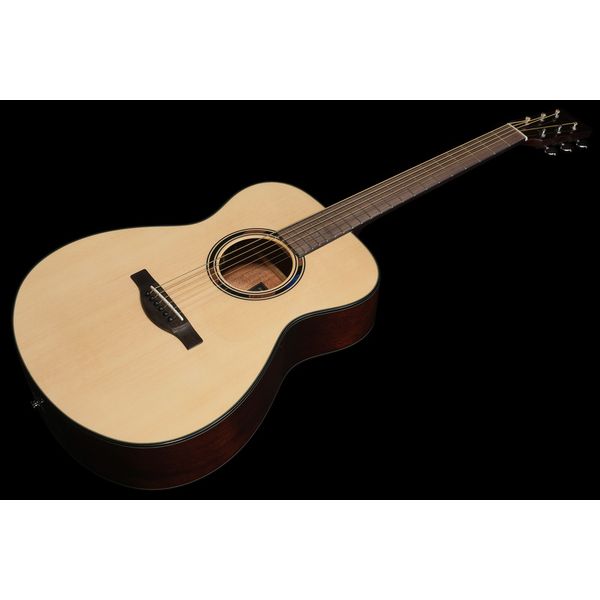
- Style: Concert
- Built-in effects: Reverb and chorus
- With TransAcoustic technology: Vibration drivers use the guitar's soundboard to reproduce effects without external speakers
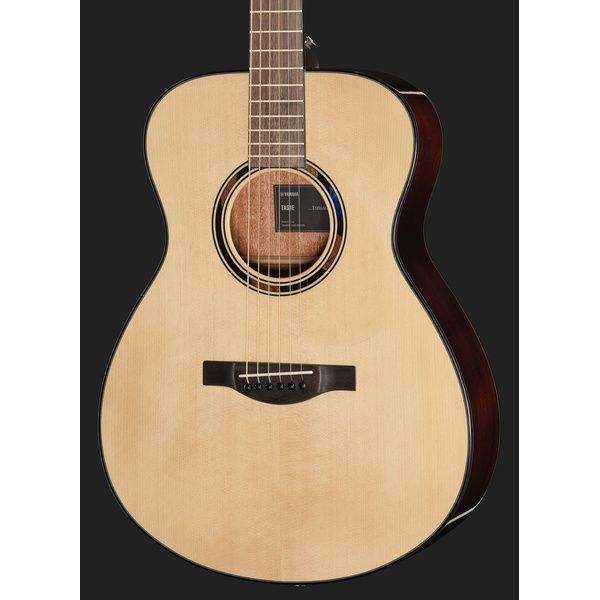
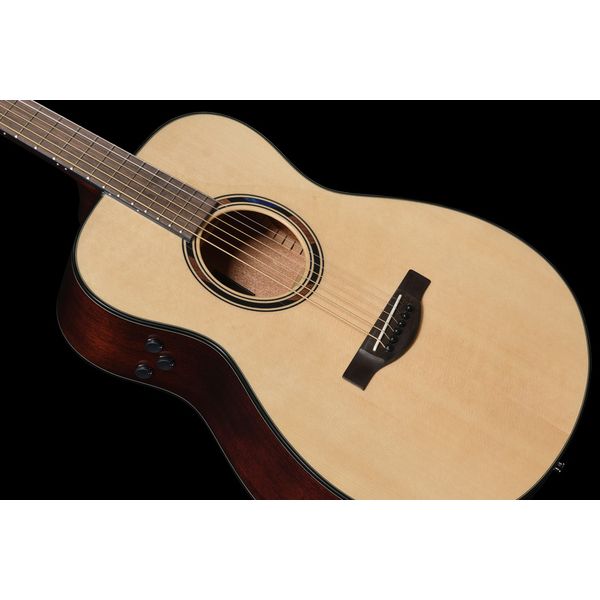
- Top: Solid spruce
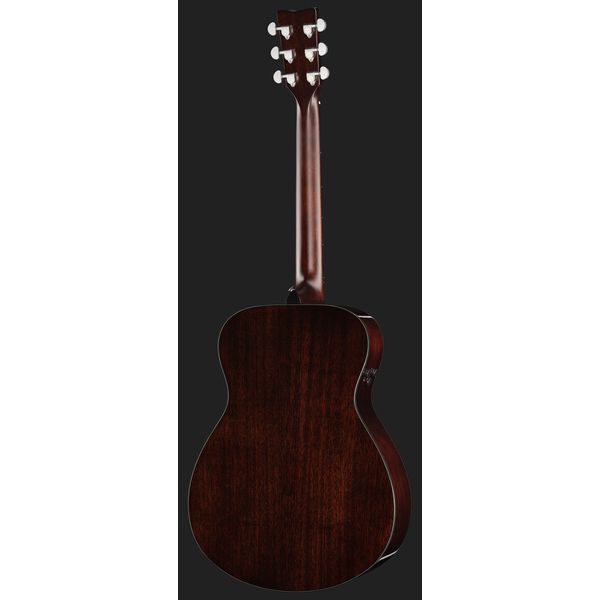
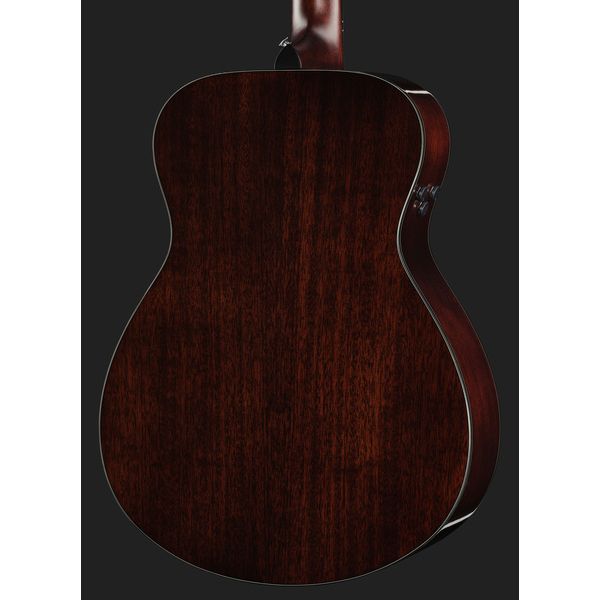
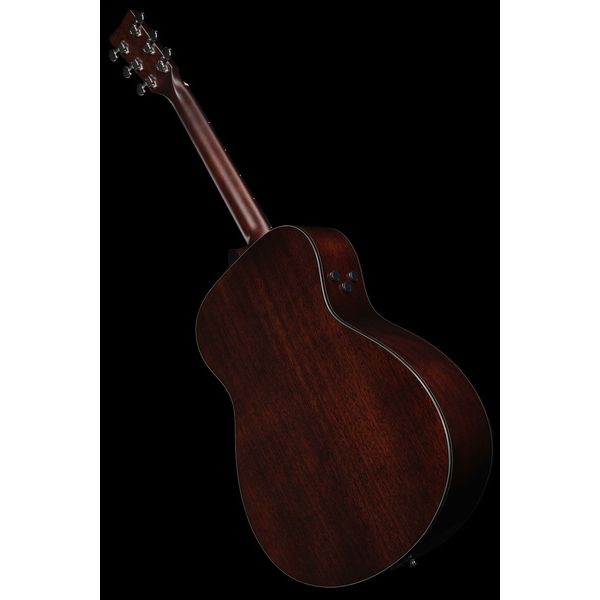
- Back and sides: Mahogany
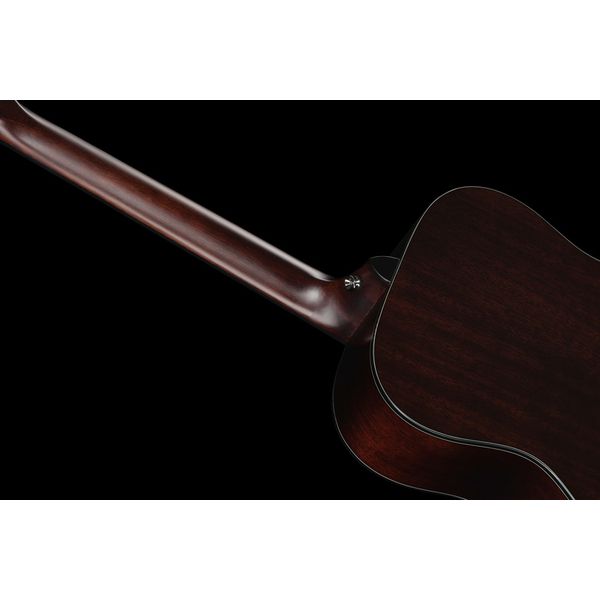
- Neck: Mahogany
- Fingerboard: Walnut
- Scale: 650 mm (25.6")
- Nut width: 44 mm (1.73")
- Nut: Urea
- 20 frets
- Transparent pickguard
- Ebony bridge
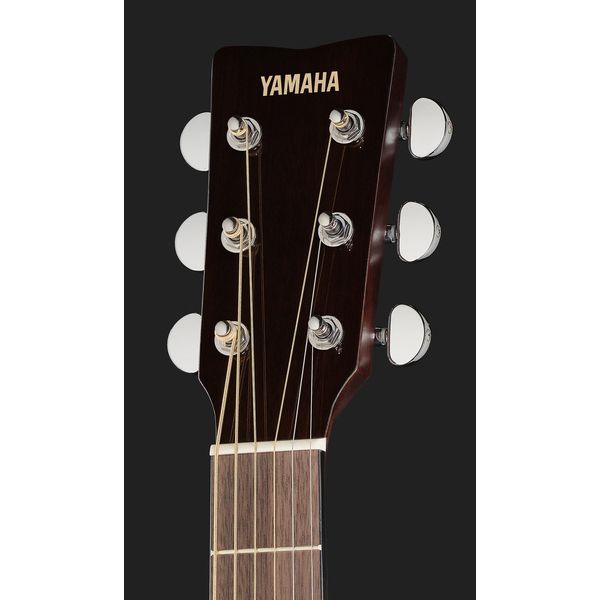
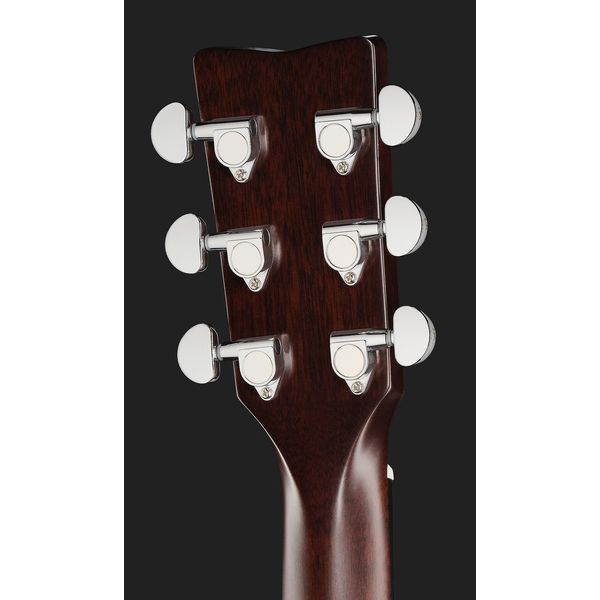
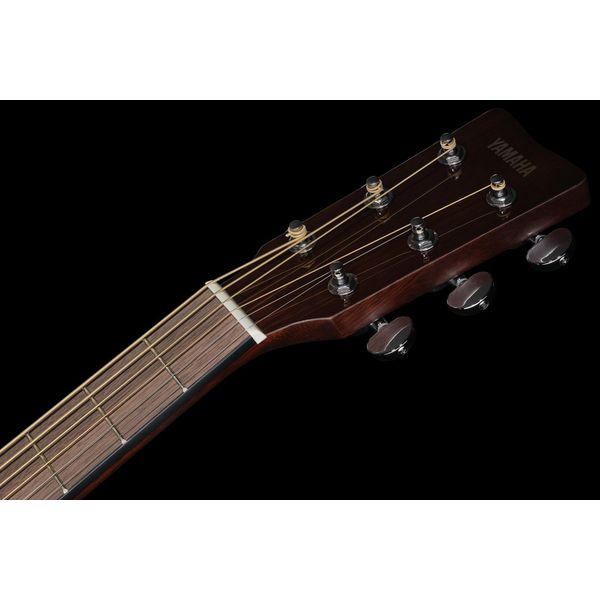
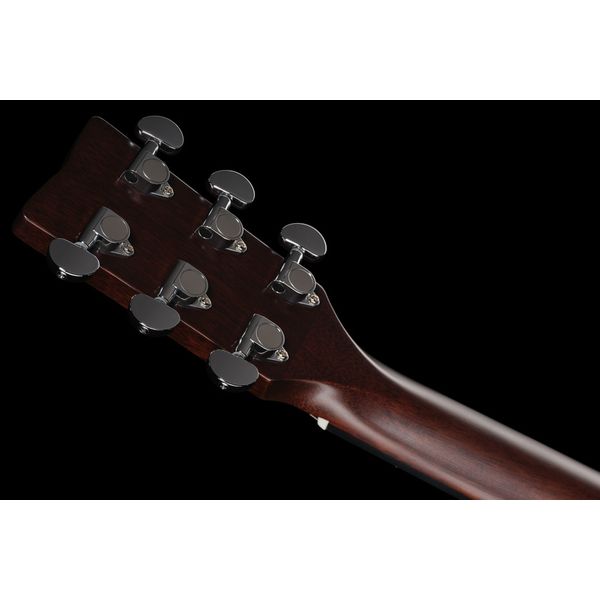
- Chrome-plated tuners
- Colour: Natural
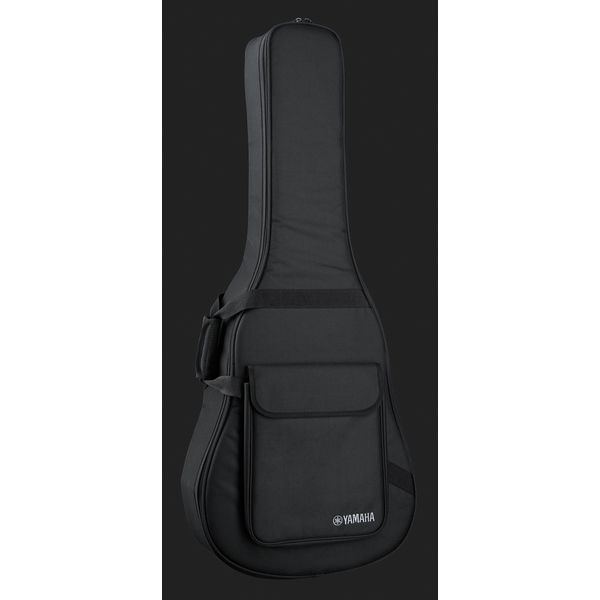
- Includes gig bag
-
Available since April 2026
-
Item number 642421
-
Sales Unit 1 piece(s)
-
Model 0
-
Top Solid Spruce
-
Back and Sides Mahogany
-
Cutaway No
-
Fretboard Walnut
-
Nut width in mm 44,00 mm
-
Frets 20
-
Pickup Yes
-
Colour Natural
-
Including Case No
-
Incl. Gigbag Yes


Reverb and chorus unplugged
)
At first glance, the Yamaha TAS1 E Natural looks like a traditional concert-sized acoustic guitar. Yet hidden inside it is a special piece of technology: Yamaha's TransAcoustic system. Small internal sound drivers make effects audible directly through the guitar's solid spruce soundboard, entirely without an amplifier or any additional equipment. The TAS1 E serves as the entry point to the TransAcoustic range, but still delivers the same acoustic quality as its more feature-rich siblings, which add Bluetooth, delay, and looping functionality. Rather than offering every available feature, the TAS1 E focuses on the two effects that matter most to many acoustic players: reverb and chorus. A well-balanced piezo pickup completes the package, ensuring that the guitar performs just as confidently on stage as it does unplugged.

)
Acoustic at heart
The heart of the Yamaha TAS1 E is its TransAcoustic system. Hidden inside the body are dedicated actuators that vibrate the guitar's soundboard in response to the notes being played, using it as the source of the built-in effects. As a result, reverb and chorus can be heard directly from the instrument itself, feeling not at all like external effects, but part of the guitar's own sound. Power comes from two AA batteries, which can be replaced in seconds while still providing plenty of runtime for extended playing sessions. Despite the sophisticated technology, the TransAcoustic system is refreshingly simple to use. Three controls mounted on the upper bout allow direct access to the effects and pickup level. Players can choose between Room and Hall reverb settings, while the chorus adds extra width and depth to the guitar's natural voice.
)
A master of nuance
The Yamaha TAS1 E is still principally a very well-made acoustic guitar, one that combines compact dimensions with a surprisingly mature voice. Guitarists who tend towards nuanced and detailed playing will particularly appreciate the immediate response of its concert-style body. A solid spruce top delivers a dynamic and open sound with excellent projection and overtones that cut through nicely, while laminated mahogany back and sides contribute warmth, midrange presence, and durability. Thanks to its 44mm nut width, attractive walnut fingerboard, and comfortably profiled mahogany neck, the TAS1 E feels familiar from the moment it's picked up. This, too, allows it to handle both extended lead passages and intricate fingerstyle arrangements – everything feels effortless and natural. A transparent pickguard helps preserve the attractive natural finish during more enthusiastic playing sessions.
)
About Yamaha
For decades, Yamaha has been one of the world's best-known manufacturers of musical instruments and audio technology. The Japanese company's long history began at the end of the 19th century with the harmonium. The product range has constantly expanded since then, which has made Yamaha one of the few manufacturers today to offer almost the entire range of existing musical instruments: From upright and grand pianos to guitars, wind instruments, and bowed string instruments and from drums and percussion to electronic keyboards and synthesizers. Yamaha is also a major force in the field of audio engineering as a manufacturer of mixing consoles, amplifiers, PA systems, and more. Yamaha's guiding principle is to combine traditional craftsmanship with state-of-the-art technology.
A different perspective
Any guitarist who enjoys exploring different acoustic sounds without having to manage complicated setups will find a versatile companion in the Yamaha TAS1 E Natural. Because the effects are generated through the guitar's own soundboard, they blend naturally into the acoustic voice of the instrument, becoming part of its character rather than sitting on top of it. The integrated piezo pickup produces a clear, powerful signal and captures all vibrations of the soundboard equally. As a result, both the dry guitar tone and the TransAcoustic effects are reproduced as one. This means that the distinctive character of the TransAcoustic effects is preserved not only when played acoustically, but also when plugged into an amplifier or PA system. Part of the TA-E models' appeal lies in their simplicity: Reverb and chorus are always available directly from the instrument itself and can be adjusted in seconds to suit the situation at hand. The result is an instrument that combines the traditions of the acoustic guitar with an unusually creative approach to its sound.
In the spotlight
The TransAcoustic series
Yamaha's TA series is available in a range of body shapes, finishes, and feature sets. What they all share is the TransAcoustic technology, which uses integrated actuators to turn the guitar's own soundboard into the source of the effects. The model names indicate both body style and feature set: TAG models are larger dreadnoughts, while TAS models are the more compact concert-style design. Models carrying the C designation also have a cutaway. The E models serve as the entry point into the TransAcoustic range and focus on the essential features: reverb and chorus. The 1C models expand the concept with delay and Bluetooth audio playback. At the top of the range, the 3C guitars add an intuitive and highly capable looper. Despite the advanced technology, every model in the series remains a high-grade acoustic guitar in its own right, so a musician's final choice will ultimately come down to which body they prefer and which features they want.
)